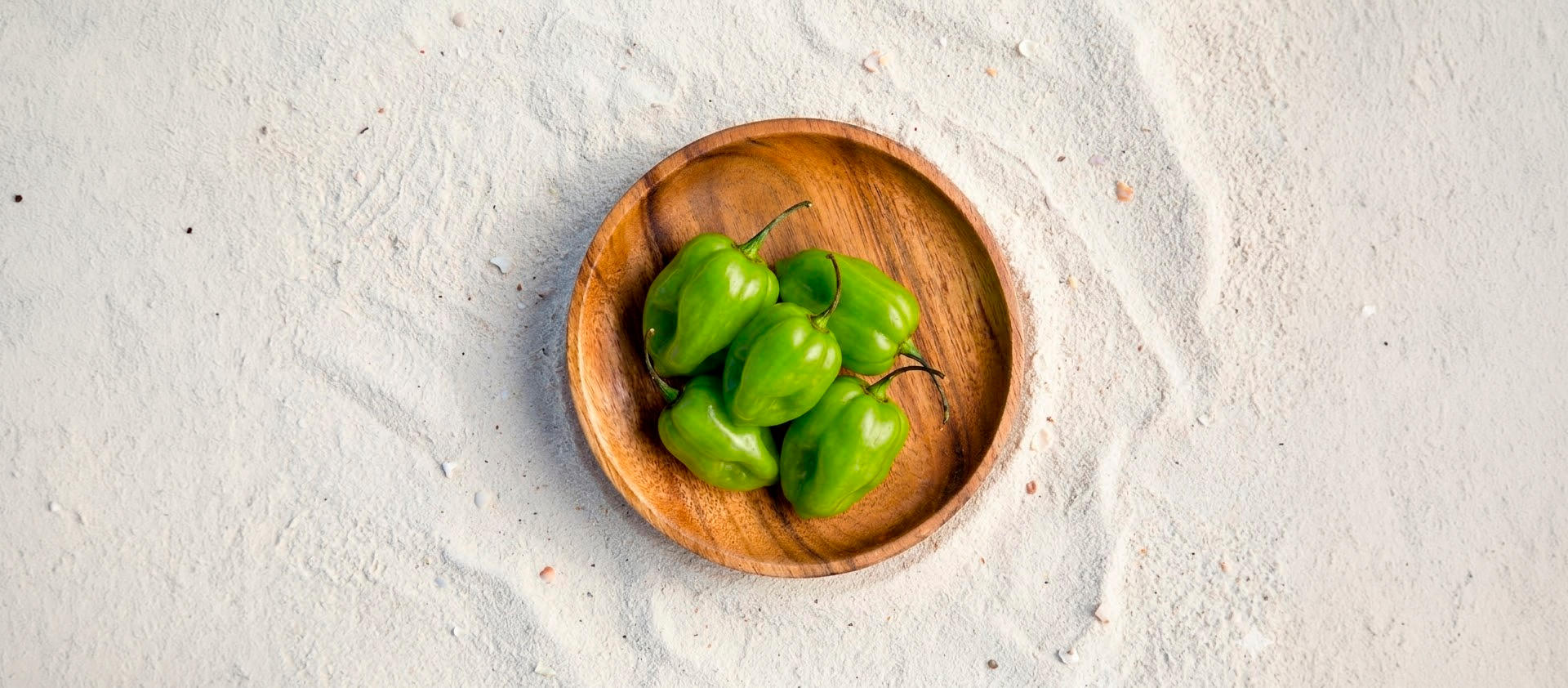
Chili peppers are an essential part of Mexican cuisine and the national condiment par excellence. Mexico has more than one hundred varieties, including jalapeño, serrano, guajillo, ancho and habanero, a reflection of their great diversity and cultural importance. Beyond salsas and stews, chili peppers are also used in industrial and beauty products. Mexico is one of the world's leading producers, with more than 140,000 hectares devoted to their cultivation.
In the Yucatán Peninsula, Capsicum chinense, known as the habanero pepper, holds great agricultural and cultural importance. It is the state's second most important crop after tomatoes, and it stands out for its intense heat, ranging from 200,000 to 300,000 units on the Scoville scale.
Yucatecan cuisine, enriched by international influences, includes dishes such as queso relleno, puchero, mondongo and kibis; yet the habanero is the indispensable ingredient that gives it its identity and distinctive flavor. Its use is deeply rooted in the region and has helped this cuisine earn national and international recognition.
Because of its importance, it has been the subject of many studies. But if you want to learn the basics in just a few pages, this story is perfect for that. Let's discover its origin, where its name comes from, when it began to "catch on", how its quality came to be recognized and, most importantly… let's enjoy its FLAVOR!
Although native to the Amazon basin, the habanero found its true home in the Yucatán Peninsula, becoming a symbol of Mexican cuisine. Its extreme heat and fruity aroma make it unique in salsas.

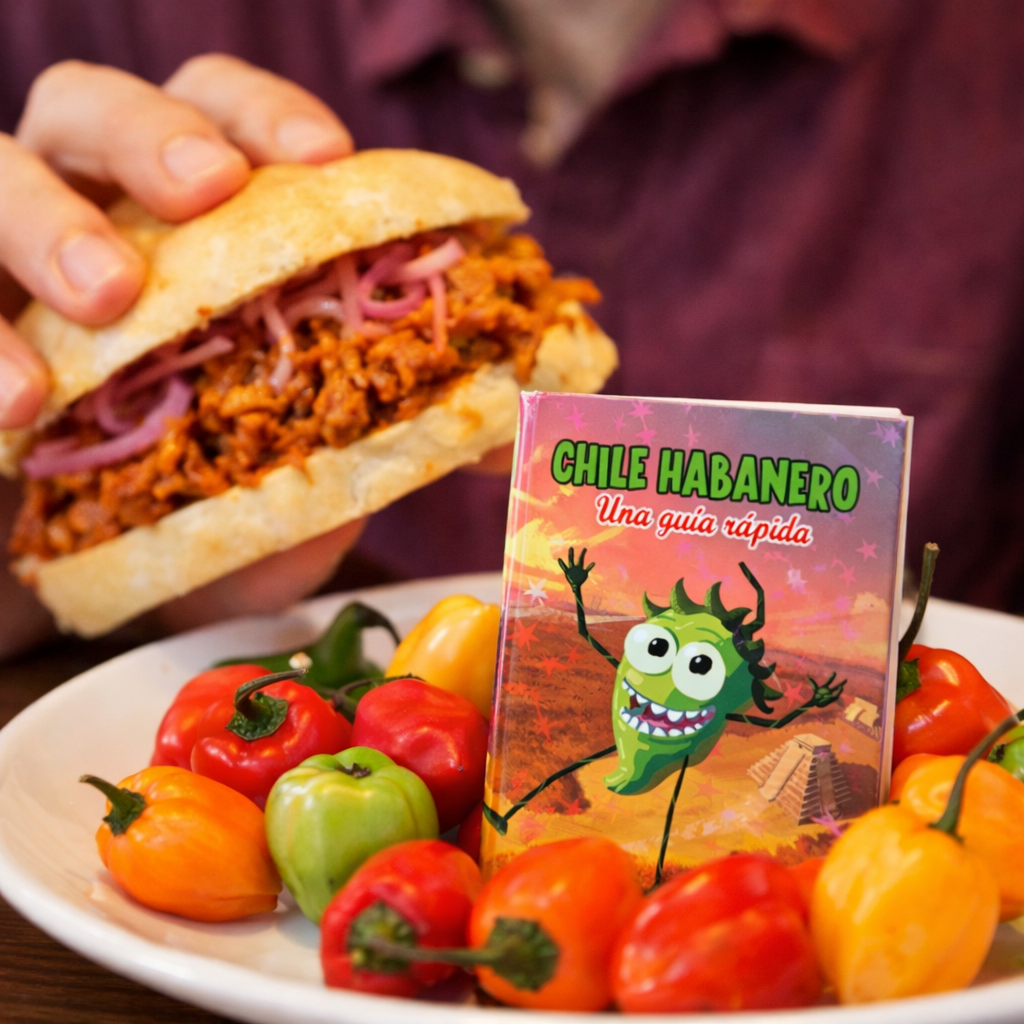
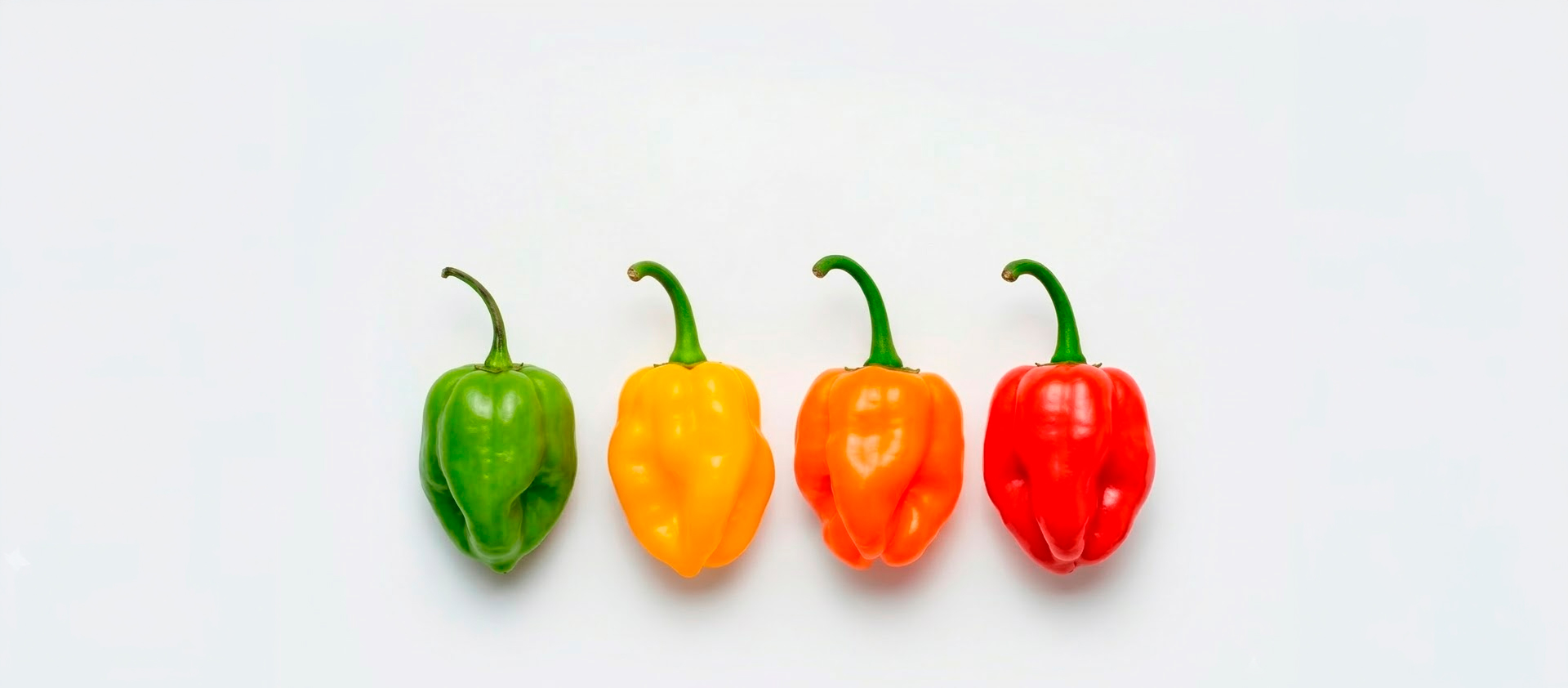
Green, yellow, orange and red. Each one has its own aroma and heat.
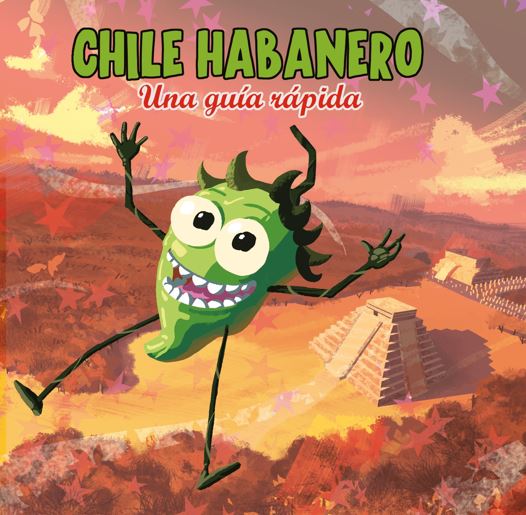
Its name comes from Cuba, but discover where it really comes from.

The star ingredient of hundreds of traditional dishes. Its history and uses are in this story.
Discover recipes, tips and the history of the habanero in these videos
Click any image to see it up close
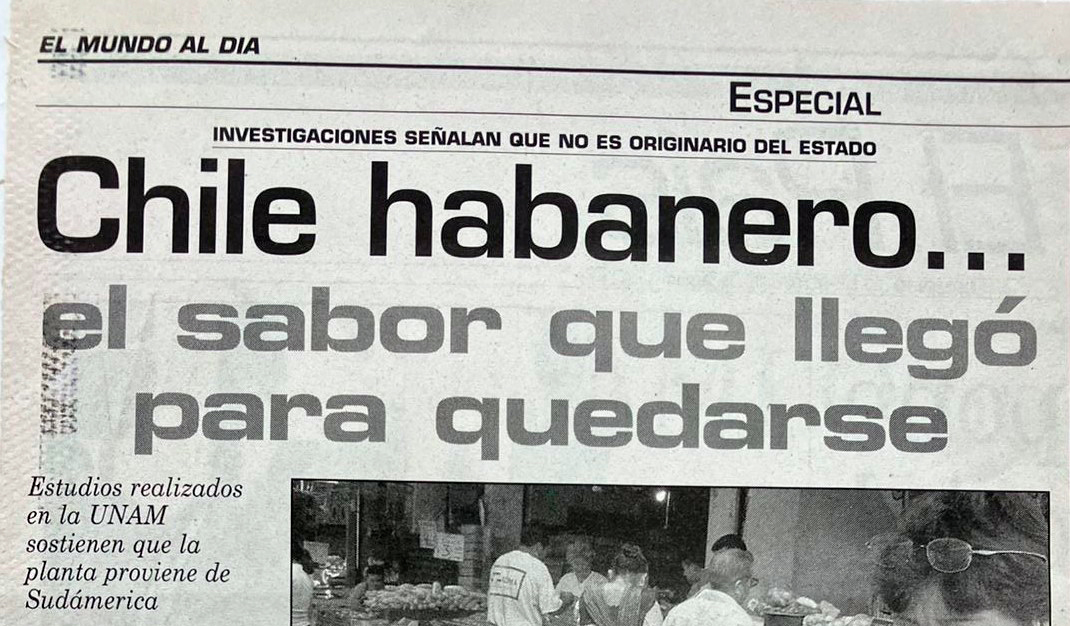
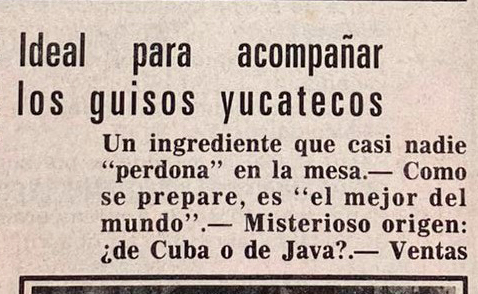


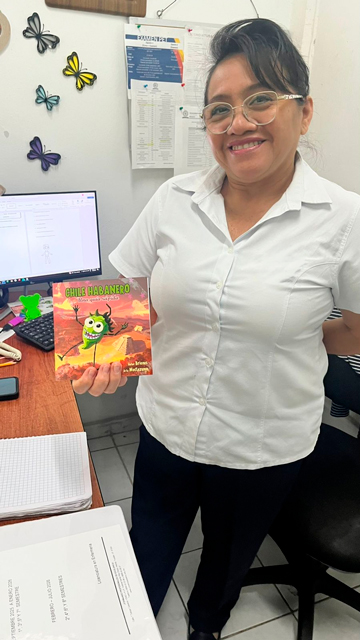
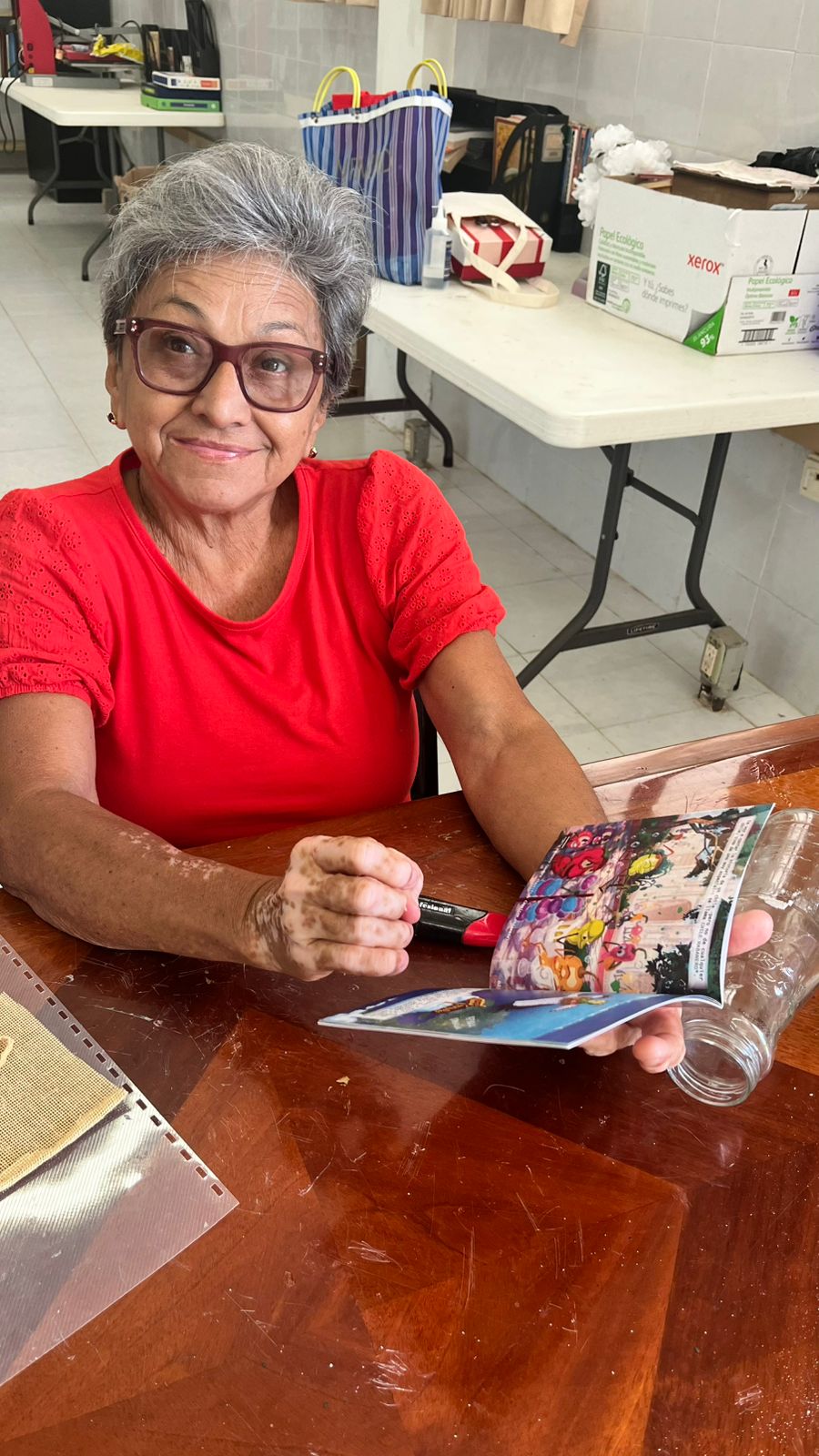
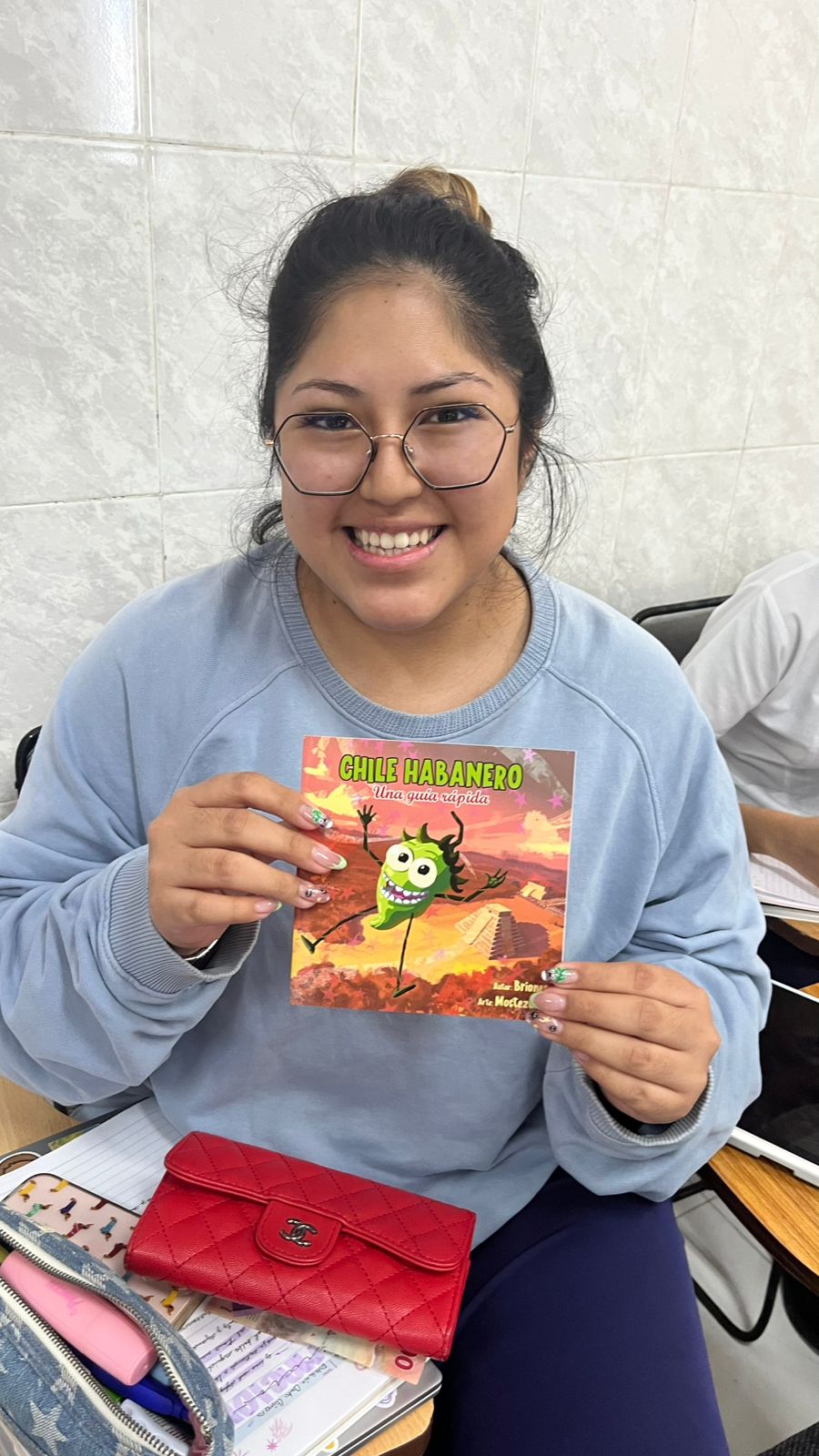
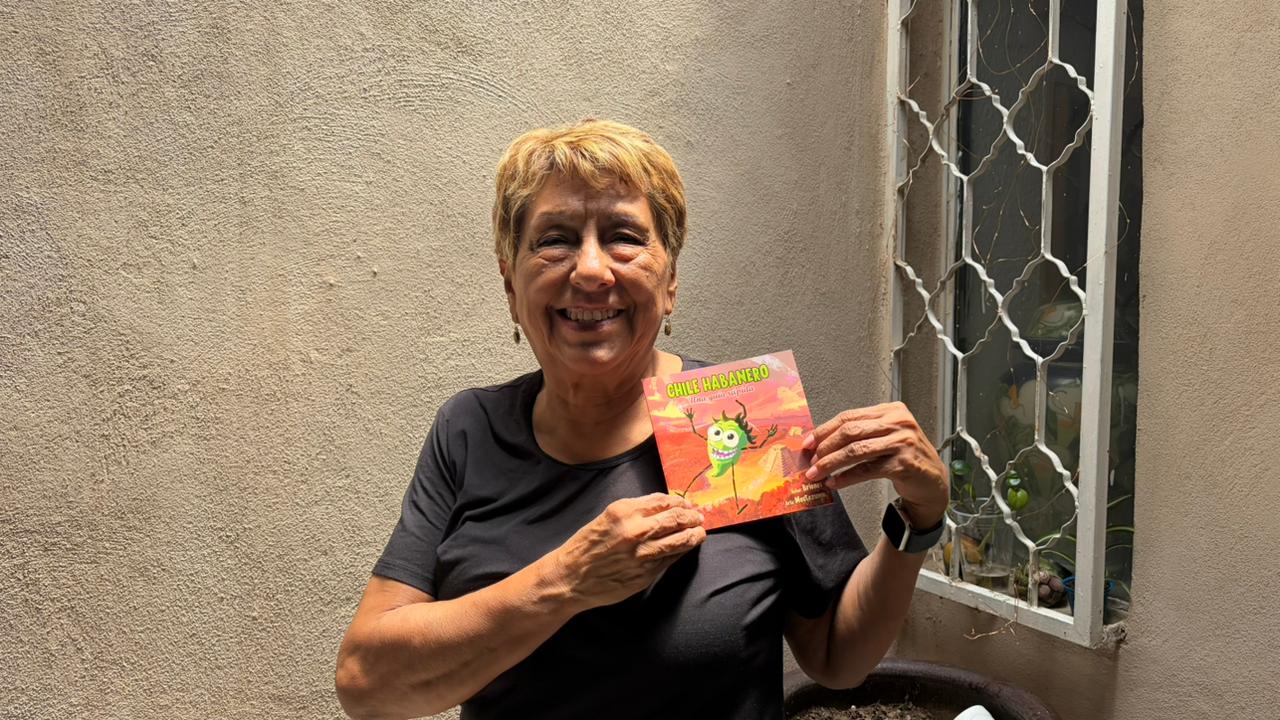
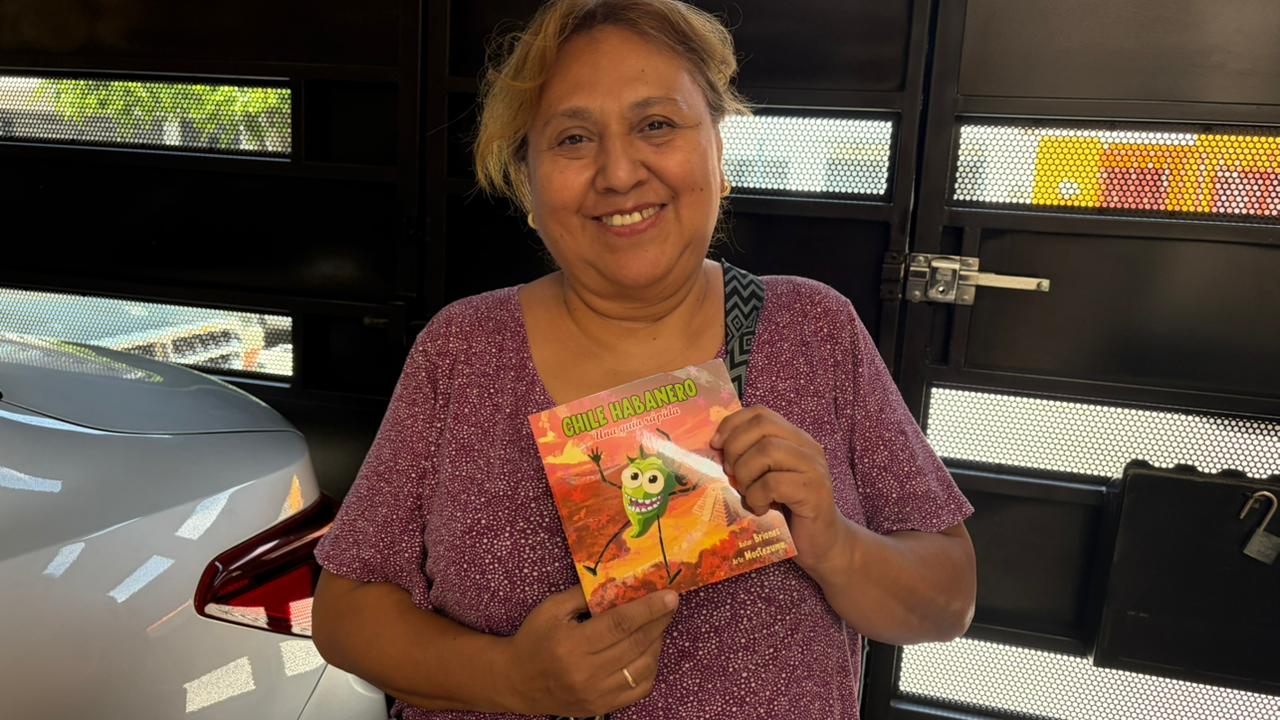
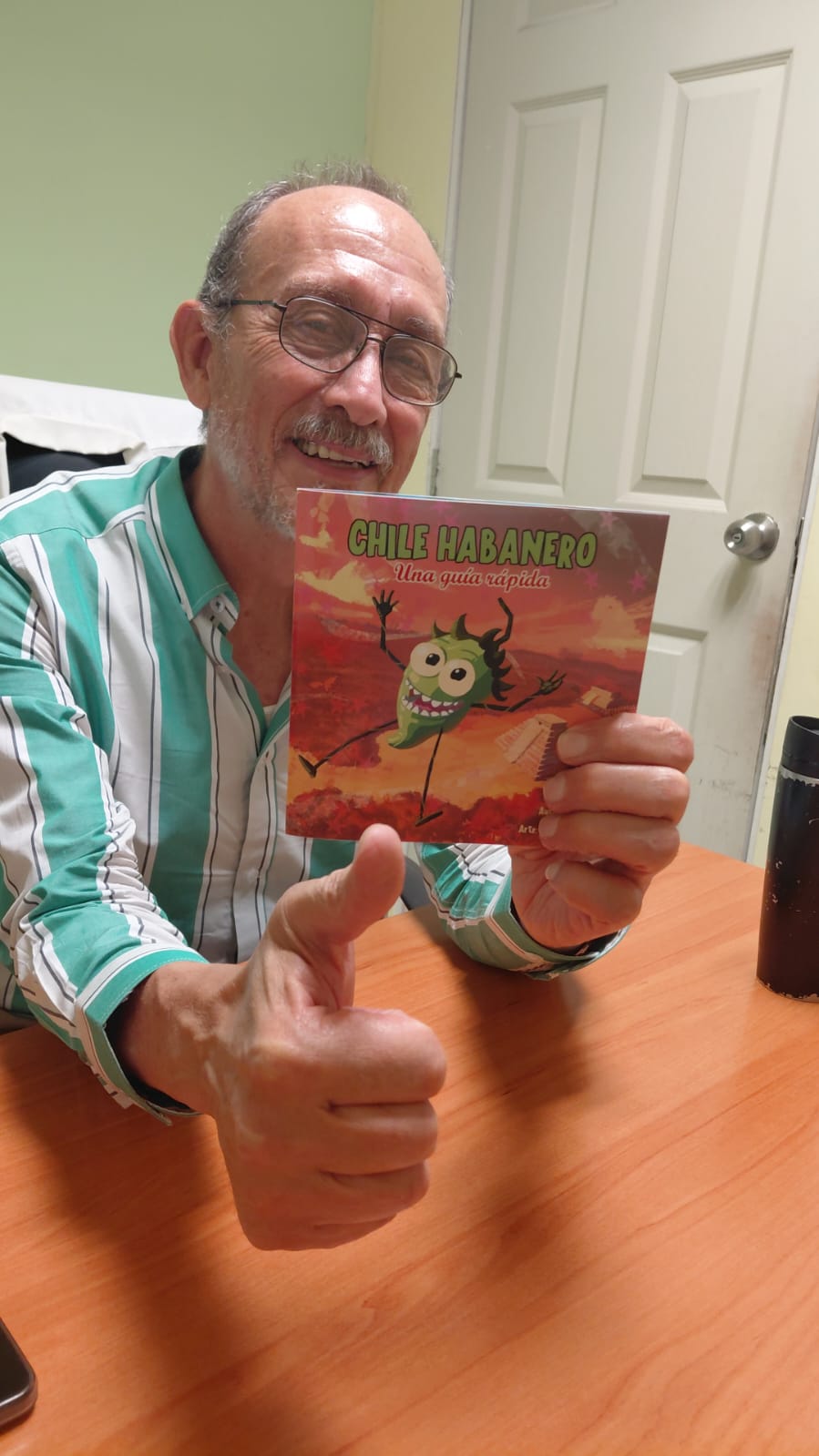
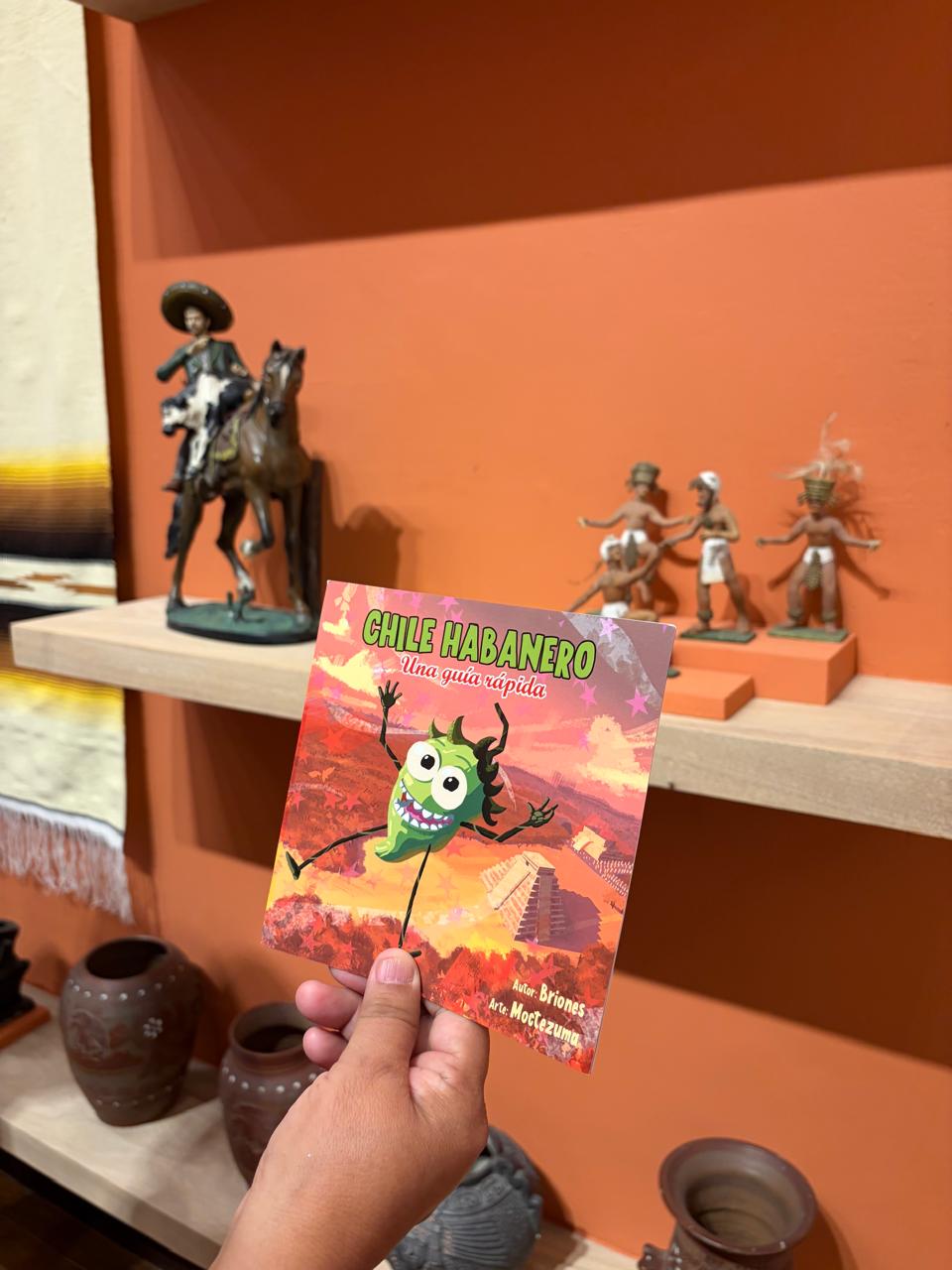
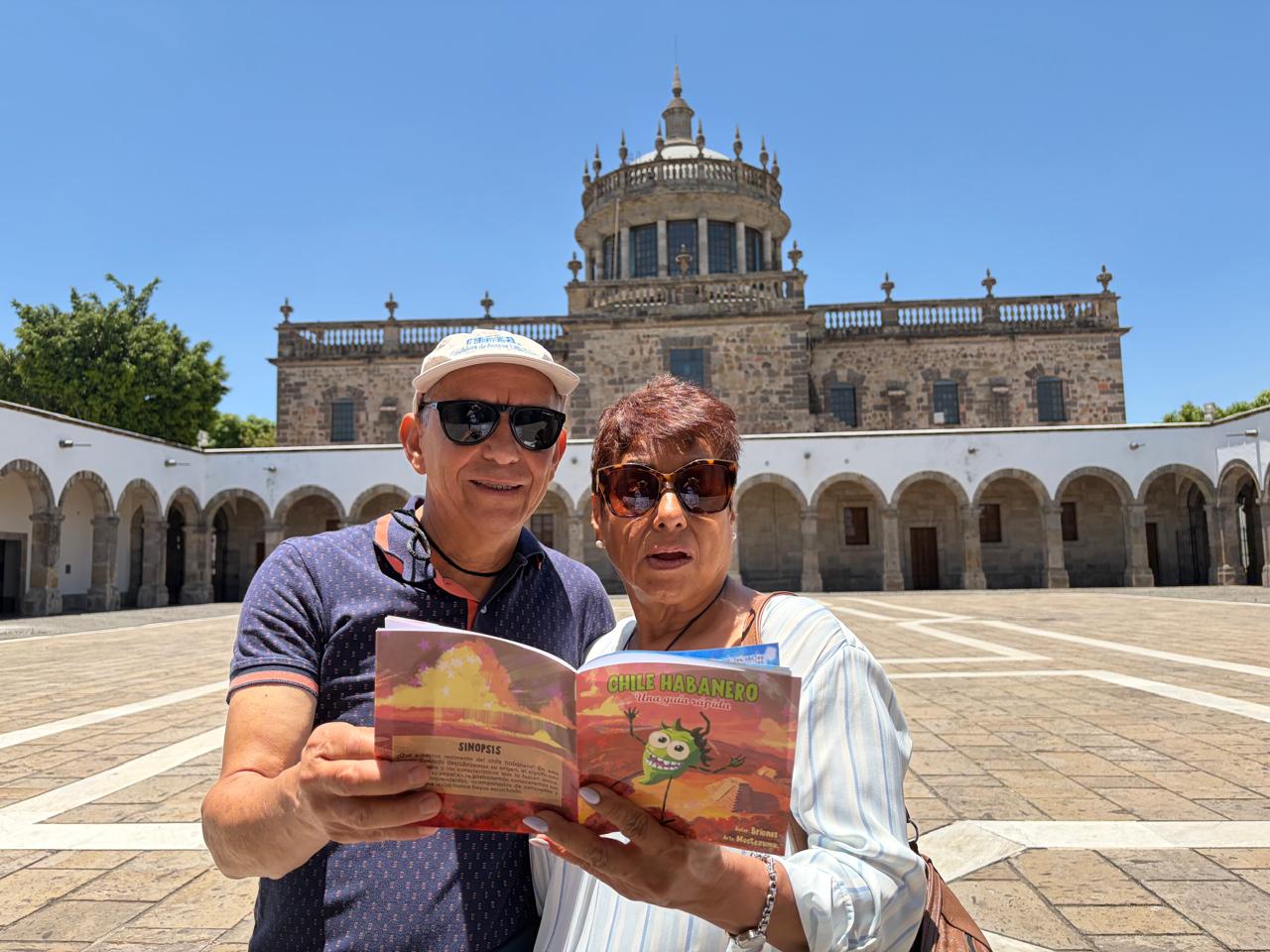
Real experiences from people who already have their copy








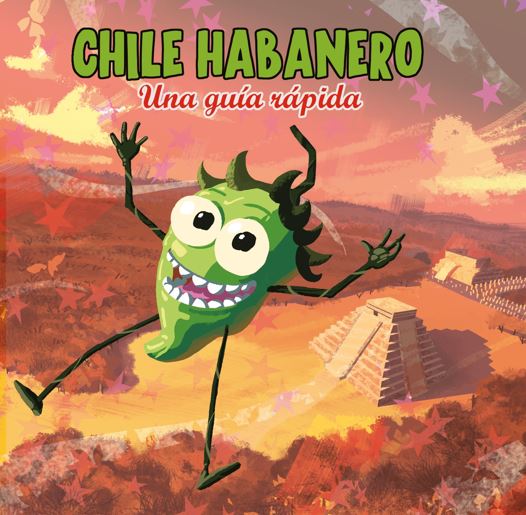
$200.00 MXN per copy
Limited edition • 18 full-color pages • Regional delivery for an extra fee
The edition available now is in Spanish.
Fill out the form and we'll get in touch to arrange payment and delivery.